

Half the population.
Half their lives.
Still no clear path to care.
InAWH unites global experts to turn evidence into better care for women in midlife.

It’s time to close a decades-old gap
Perimenopause and postmenopause span roughly half of every woman’s life. Yet research has been underfunded, care fragmented, and clinicians have received little or no training
This is the gap InAWH exists to close.
More than 450 million women worldwide are navigating perimenopause or menopause at any given time.
58% of global medical textbooks contain no mention of menopause
Women live longer than men but spend 25% more of their lives in poor health
About InAWH

The primary constraint in women’s midlife health is no longer a lack of science alone. It is the failure to move evidence into practice - quickly, consistently, and at scale.
The Institute Advancing Women’s Health (InAWH) exists to shorten the distance between discovery and delivery. We turn credible, evidence-informed science into tools clinicians can use now: practical frameworks, care models, training pathways, and implementation-ready guidance that work in real-world settings.
Our focus is practice change. Our measure of success is better care, earlier intervention, and better health for women in midlife and beyond.
InAWH is designed to convert today’s momentum into measurable improvements in care.

Vision, Mission, Guiding Principles
InAWH is a global catalyst working to make evidence-based, cross-disciplinary midlife care the global standard. InAWH will meet the rising demand by uniting leading organizations and experts to develop science-based solutions that make credible women’s midlife health knowledge accessible to all.

Our Vision
A world where every woman has access to holistic, integrated midlife care that supports her dignity, vitality, and well-being.

Our Mission
To close the global gap between what science knows about women’s midlife health and how care is delivered.

Guiding Principles
Evidence-Based and Evidence-Informed
We are grounded in rigorous, credible, and evidence-informed science.
Multi-Disciplinary
We integrate insights from multiple clinical disciplines to address the interconnected nature of women’s health in midlife.
Informed by Women
We ground our work in women’s lived experiences to ensure relevance and meaningful impact.
Global and Diverse
We value perspectives across cultures, disciplines, and health systems.
Collaborative
We work with professional societies, health systems, and existing organizations to strengthen the broader ecosystem.
Impact-Focused
We prioritize work that leads to meaningful improvements in clinical practice, standards of care, and health outcomes.
Our People
InAWH is building a global team of leaders in medicine, research, and women’s health working to transform midlife care.
Management

Chief Executive Officer
Paula Schneider
InAWH CEO · Former President and CEO of Susan G. Komen
As CEO of InAWH, Institute for Advancing Women’s Health, and previously President and CEO of Susan G. Komen, the world’s largest breast cancer organization, Schneider leads the mission to close the persistent gap between what science knows about women’s health and what women are actually experiencing in care.
Board of Directors

Connie Collingsworth
Board Chair, Former COO of the Gates Foundation
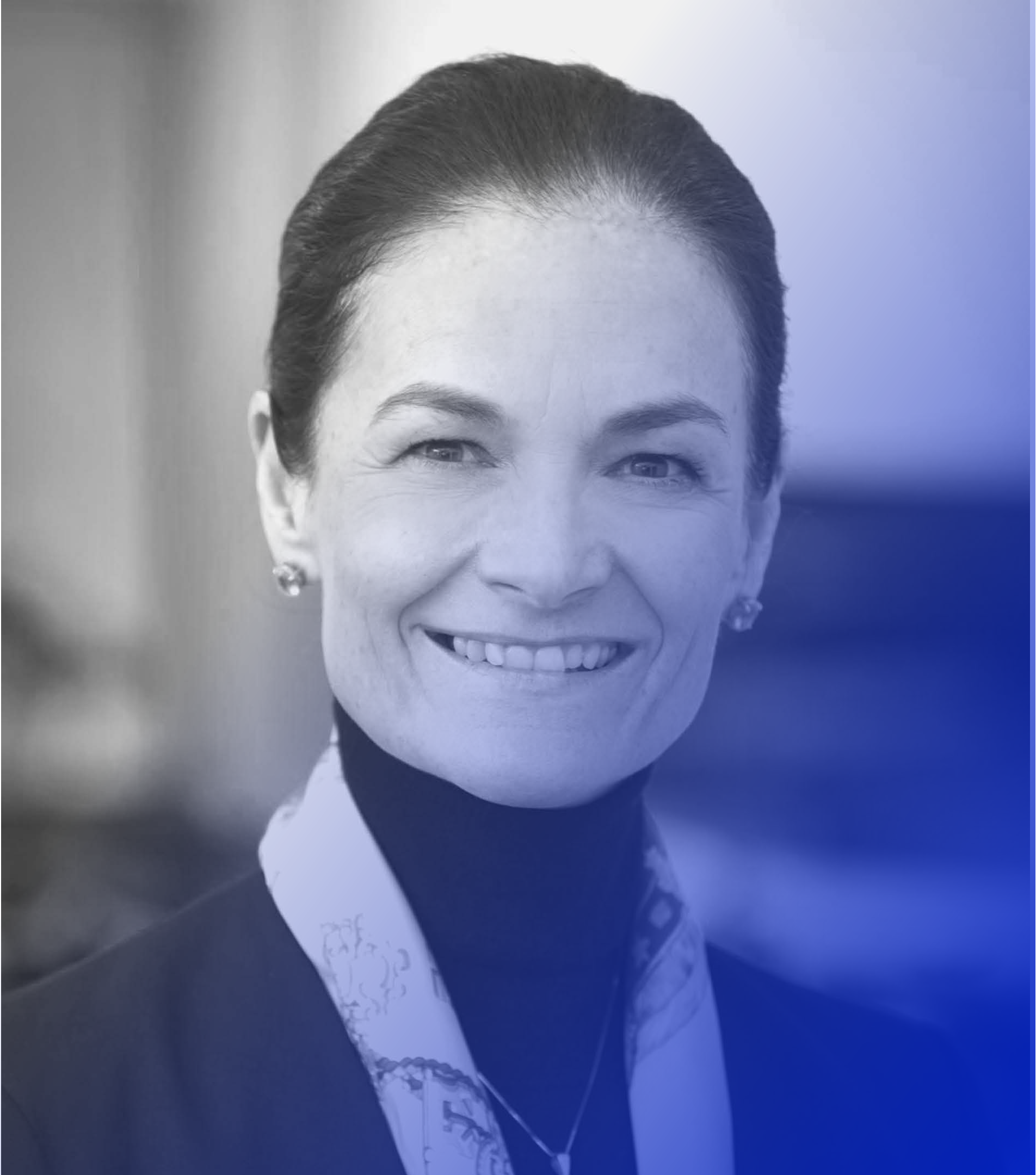
Dr. Annalisa Jenkins
Honorary Professor Medicine, St Mary University

Anna Samuelsson
Partner and Managing Director, Factory Capital
Paula Schneider
InAWH CEO, Former President and CEO of Susan G. Komen
Medical Advisory Board

John Eden, MB, BS, MD
Gynaecologist and Reproductive Endocrinologist, Conjoint Professor UNSW

Barbara Gulanski, MD, MPH
Endocrinologist and Board-Certified Internist, Yale University School of Medicine
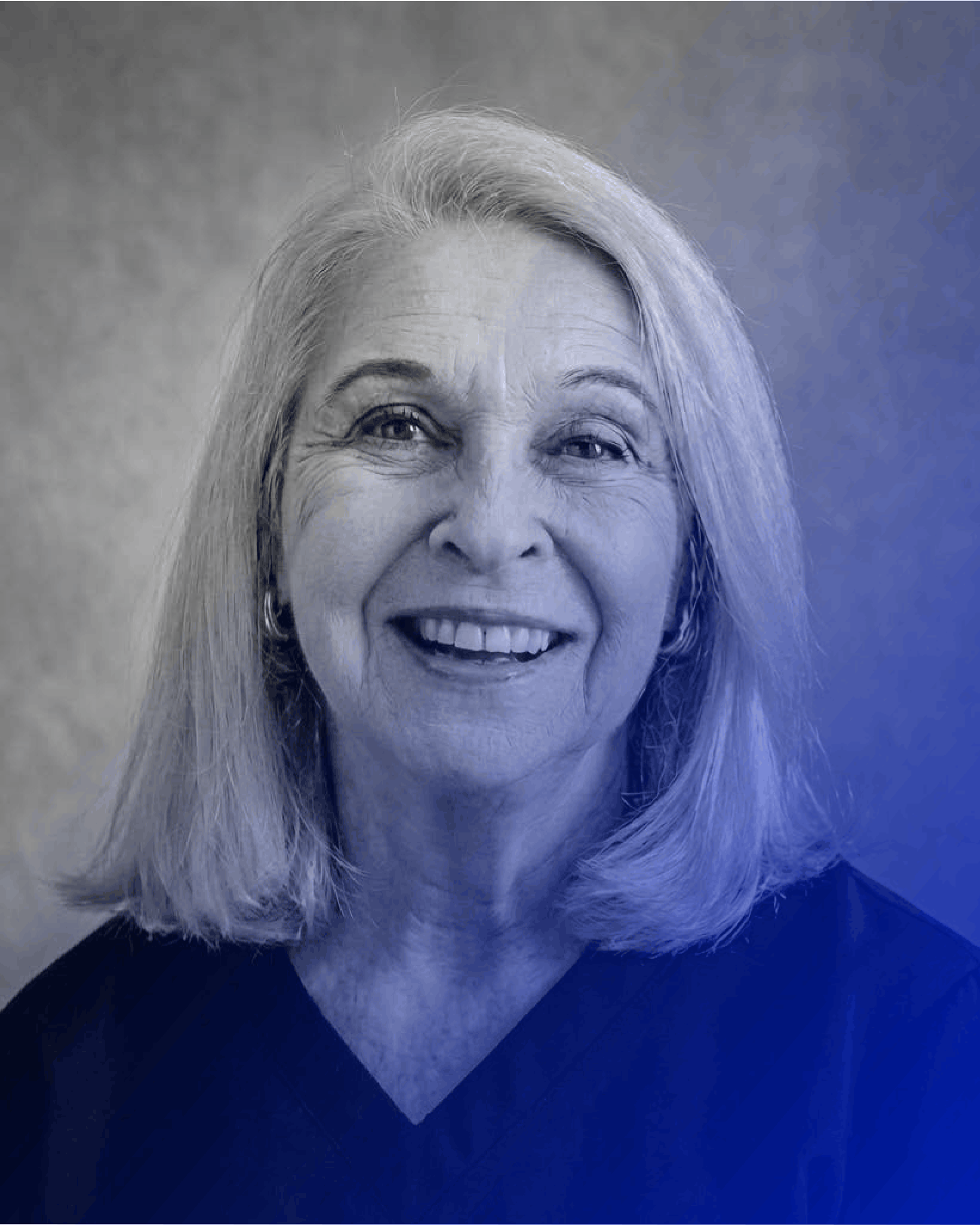
Dr. Nicole Jaff, PhD, MSCP
Board of Trustees, International Menopause Society

Cecilia M. Lindgren, PhD, FMedSci
Executive VP Applied AI & Robotics, Ellison Institute; Visiting Professor, Oxford
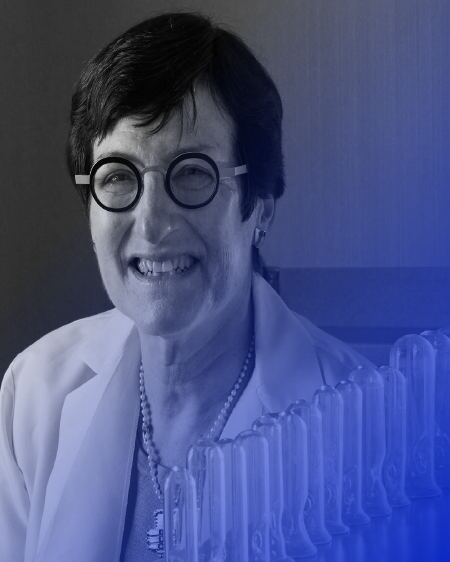
Mary Jane Minkin, MD, FACOG
Clinical Professor, Dept. of Obstetrics, Gynecology and Reproductive Sciences, Yale

Erica S. Spatz, MD, MHS
Associate Professor of Cardiology and Epidemiology, Yale University School of Medicine

Welela Tereffe, MD, MPH, MHCM
Former Chief Medical Executive, The University of Texas MD Anderson Cancer Center